
2026/01/21
Winter Peak Cold: Prevent Air Compressor Oil Solidification & Bearing Damage
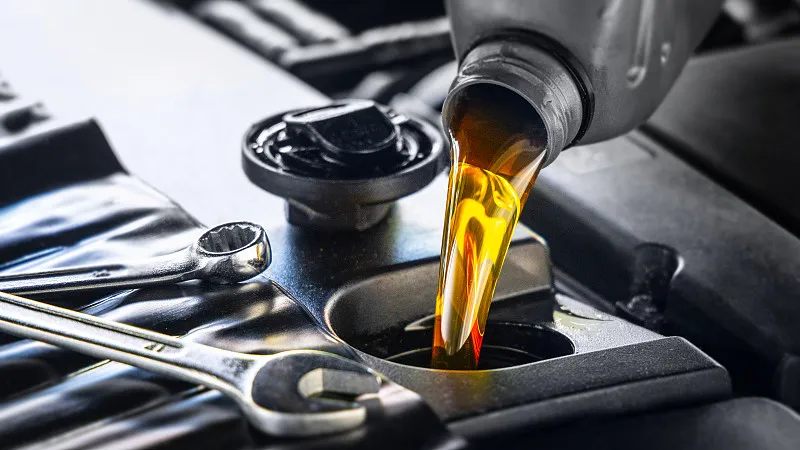
Winter peak cold—characterized by subzero temperatures and extreme frost—poses severe threats to air compressor operation. Two of the most common and costly issues during this period are lubricating oil solidification and bearing damage. Once oil solidifies, it fails to lubricate critical components; combined with cold-induced bearing wear or freezing, this can lead to equipment seizure, irreversible airend damage, and unplanned downtime. This article outlines actionable strategies to prevent oil solidification and bearing damage, helping you keep air compressors running reliably even in the coldest winter conditions.
I. Why Winter Peak Cold Triggers Oil Solidification & Bearing Damage
Extreme low temperatures fundamentally disrupt the mechanical and lubrication systems of air compressors, creating a chain reaction that harms both oil performance and bearing integrity.
1. Lubricating Oil Solidification: The Root Cause
Lubricating oil viscosity is highly temperature-dependent. As temperatures plummet to or below -10℃—a common scenario during winter peak cold—conventional oil thickens significantly. If the oil’s pour point (the lowest temperature at which it flows) is higher than the ambient temperature, it will gradually solidify or form wax deposits. This blocks oil lines, clogs filters, and prevents oil from reaching the airend, bearings, and other moving parts. Without proper lubrication, metal-to-metal contact intensifies, accelerating wear and generating excessive heat.
Low-quality or mismatched oil exacerbates the problem. Using summer-grade oil with high viscosity in extreme cold is a critical mistake, as it lacks the low-temperature fluidity needed to resist solidification.
2. Bearing Damage: A Consequence of Cold & Poor Lubrication
Bearings are the backbone of smooth air compressor operation, and they are particularly vulnerable during winter peak cold. Three key factors lead to damage:
Inadequate Lubrication: Solidified or thickened oil fails to form a protective film on bearing raceways and balls, causing friction and wear.
Moisture Freezing: Condensation in the bearing chamber freezes in extreme cold, leading to bearing jamming, scratches on raceways, or even ball fracture.
Thermal Shock: Sudden startup of a cold compressor subjects bearings to rapid temperature changes, causing metal fatigue and microcracks over time.
Left unaddressed, bearing damage progresses from abnormal noise to complete seizure, requiring costly replacements and lengthy downtime.
II. Proven Strategies to Prevent Oil Solidification
Preventing oil solidification starts with proactive preparation and proper maintenance, ensuring oil remains fluid and effective in extreme cold.
1. Switch to Winter-Grade Lubricating Oil
The most critical step is selecting oil with optimal low-temperature performance. Choose winter-grade oil that meets the following criteria:
Low Pour Point: Opt for oil with a pour point of -20℃ or lower to ensure fluidity in peak cold.
Proper Viscosity Grade: Select ISO VG 32 or VG 46 oil (depending on manufacturer recommendations) for cold climates—these grades maintain fluidity while providing sufficient lubrication.
Manufacturer Compliance: Always use oil approved by the air compressor manufacturer to avoid compatibility issues that may worsen solidification.
Replace oil before winter peak cold arrives, and thoroughly clean the oil tank and filter to remove residues that could accelerate solidification.
2. Install Oil Tank Preheaters
For compressors in unheated workshops or outdoor settings, oil tank preheaters are a game-changer. These devices warm the oil to 5-10℃ before startup, preventing solidification and ensuring smooth oil flow. Choose a preheater with a thermostat to avoid overheating, and install it according to the manufacturer’s guidelines to maintain oil quality.
3. Insulate Oil Lines & Tanks
Thermal insulation minimizes heat loss and keeps oil temperatures stable. Wrap oil tanks, lines, and filters with high-quality insulation sleeves—preferably those rated for subzero temperatures. This simple measure reduces the risk of oil cooling to the point of solidification, even in extreme cold.
III. Effective Measures to Protect Bearings in Peak Cold
Protecting bearings requires a combination of lubrication management, moisture control, and proper startup practices.
1. Ensure Proper Bearing Lubrication
In addition to using winter-grade oil, pay attention to bearing-specific lubrication:
For grease-lubricated bearings, use low-temperature grease with a dropping point suitable for extreme cold—this prevents grease hardening and ensures coverage.
Check lubrication levels regularly during winter peak cold, as cold oil may settle, leading to uneven distribution.
2. Control Moisture in the Bearing Chamber
Moisture is the enemy of bearings in cold weather. Implement these steps to keep bearing chambers dry:
Install effective air dryers to reduce condensation in the air system, minimizing moisture that can seep into bearing chambers.
Seal bearing housing gaps to prevent cold, moist air from entering. Replace worn seals promptly to maintain integrity.
Drain moisture from the compressor system daily—pay extra attention to drain valves in peak cold, as they may freeze shut.
3. Adopt Proper Startup & Shutdown Practices
Avoid thermal shock and bearing strain with these operational habits:
Preheat Before Startup: Run the preheater for 15-30 minutes (or as recommended) to warm the entire compressor, including bearings, before starting.
Idling Period: After startup, let the compressor idle for 5-10 minutes to gradually raise temperatures and ensure oil circulates to bearings.
Gradual Shutdown: Avoid sudden shutdowns in extreme cold. Let the compressor cool down slowly to prevent moisture buildup in bearings.
IV. Emergency Handling for Oil Solidification & Bearing Issues
If issues arise despite prevention, follow these steps to minimize damage:
Oil Solidification: Do not force startup—this will damage components. Activate the preheater and let the oil thaw completely. Once fluid, drain the oil, clean the system, and refill with winter-grade oil. Check for clogs in filters and lines.
Bearing Noise/Damage: Immediately shut down the compressor. Inspect bearings for freezing, wear, or damage. If frozen, thaw the bearing chamber gently (avoid open flames) and clean/lubricate. If worn or scratched, replace with OEM bearings to prevent further airend damage.
V. Pre-Winter Peak Cold Maintenance Checklist
Prepare your air compressor for extreme cold with this checklist:
1.Replace lubricating oil with winter-grade ISO VG 32/VG 46 (or manufacturer-recommended grade).
2.Install or inspect oil tank preheaters and thermostats.
3.Insulate oil tanks, lines, and filters.
4.Check and replace bearing grease with low-temperature-grade grease.
5.Inspect bearing chambers for moisture, wear, or seal damage.
6.Test air dryers and drain valves to ensure moisture control.
7.Verify preheating and idling procedures with your team.
Conclusion
Winter peak cold doesn’t have to spell trouble for air compressors. By focusing on preventing oil solidification—through proper oil selection, preheating, and insulation—and protecting bearings with moisture control and careful operation, you can avoid costly downtime and damage. Proactive maintenance before extreme cold hits is key to ensuring reliable performance all winter long.
If you need help selecting winter-grade oil, installing preheaters, or inspecting bearings for cold-weather readiness, our professional team is here to assist. We provide customized cold-climate air compressor solutions to keep your equipment running efficiently even in the harshest winter conditions. Contact us today for a tailored maintenance plan!


